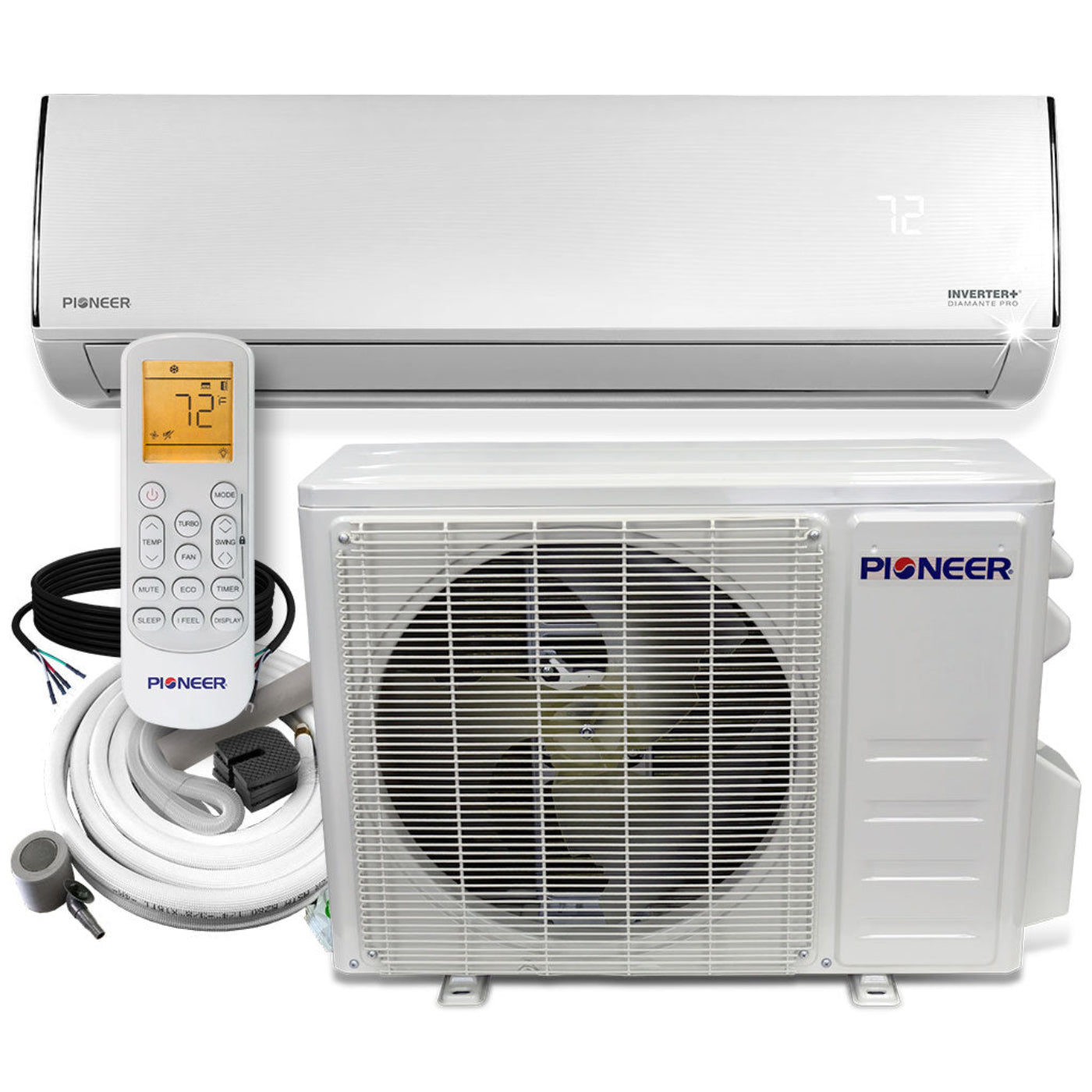
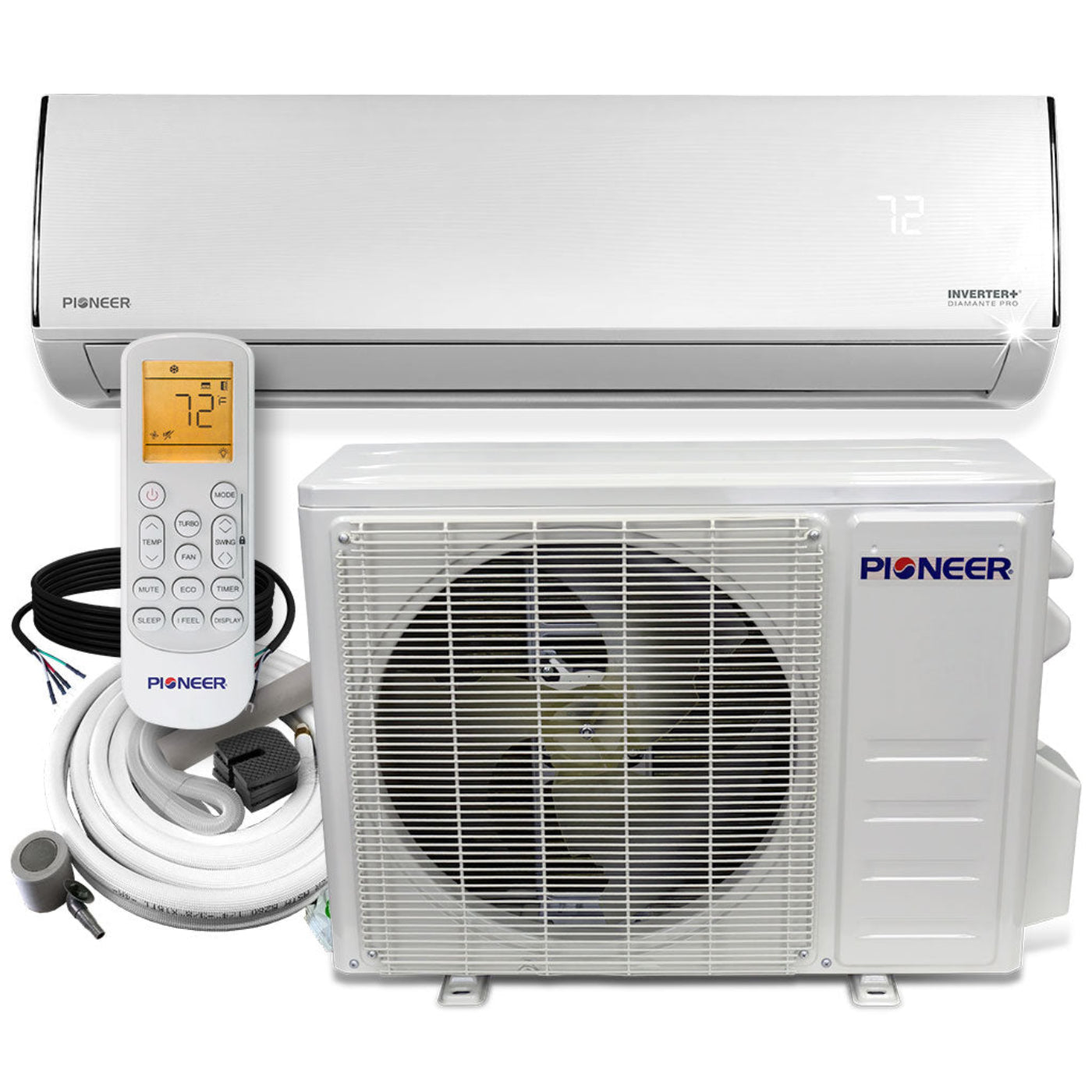
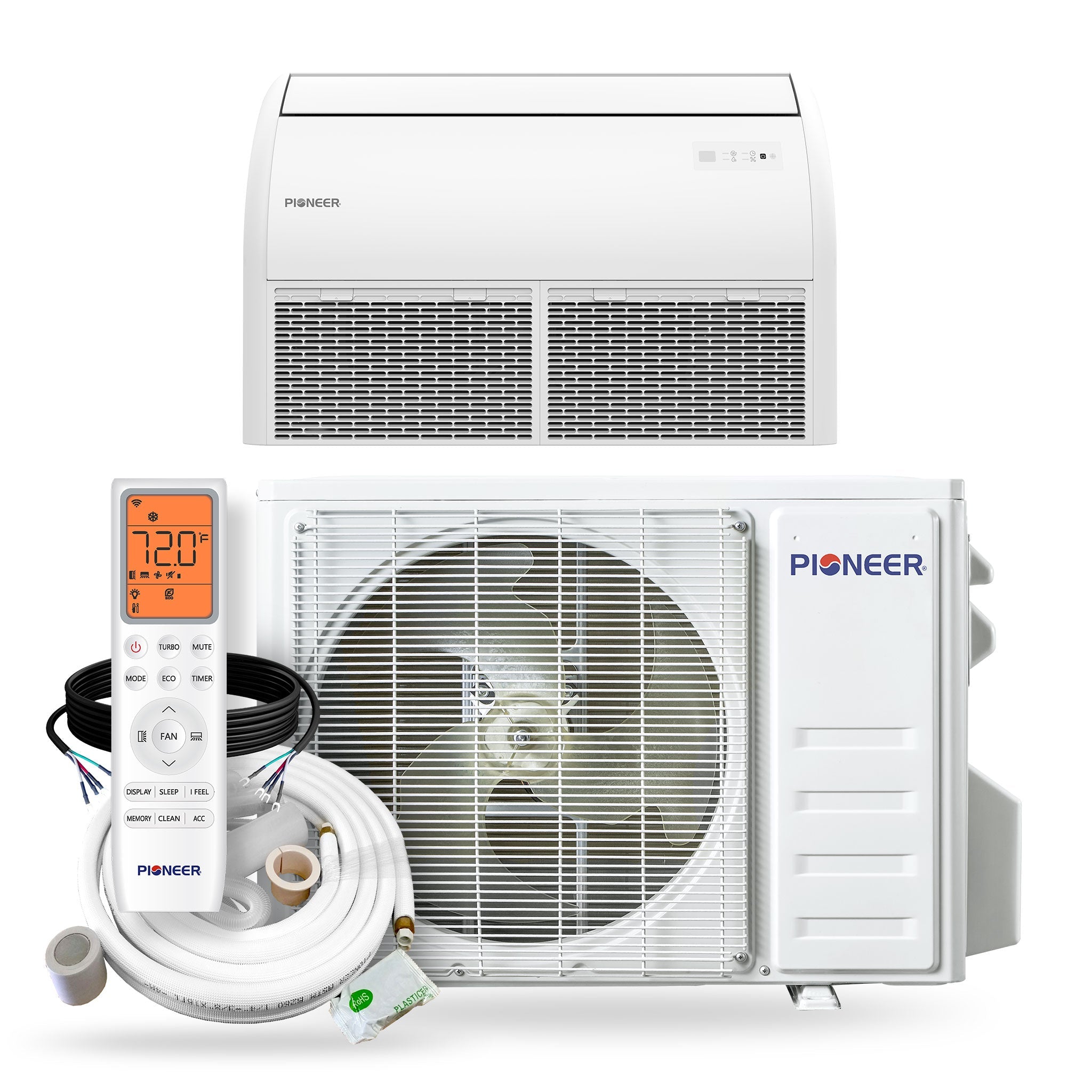
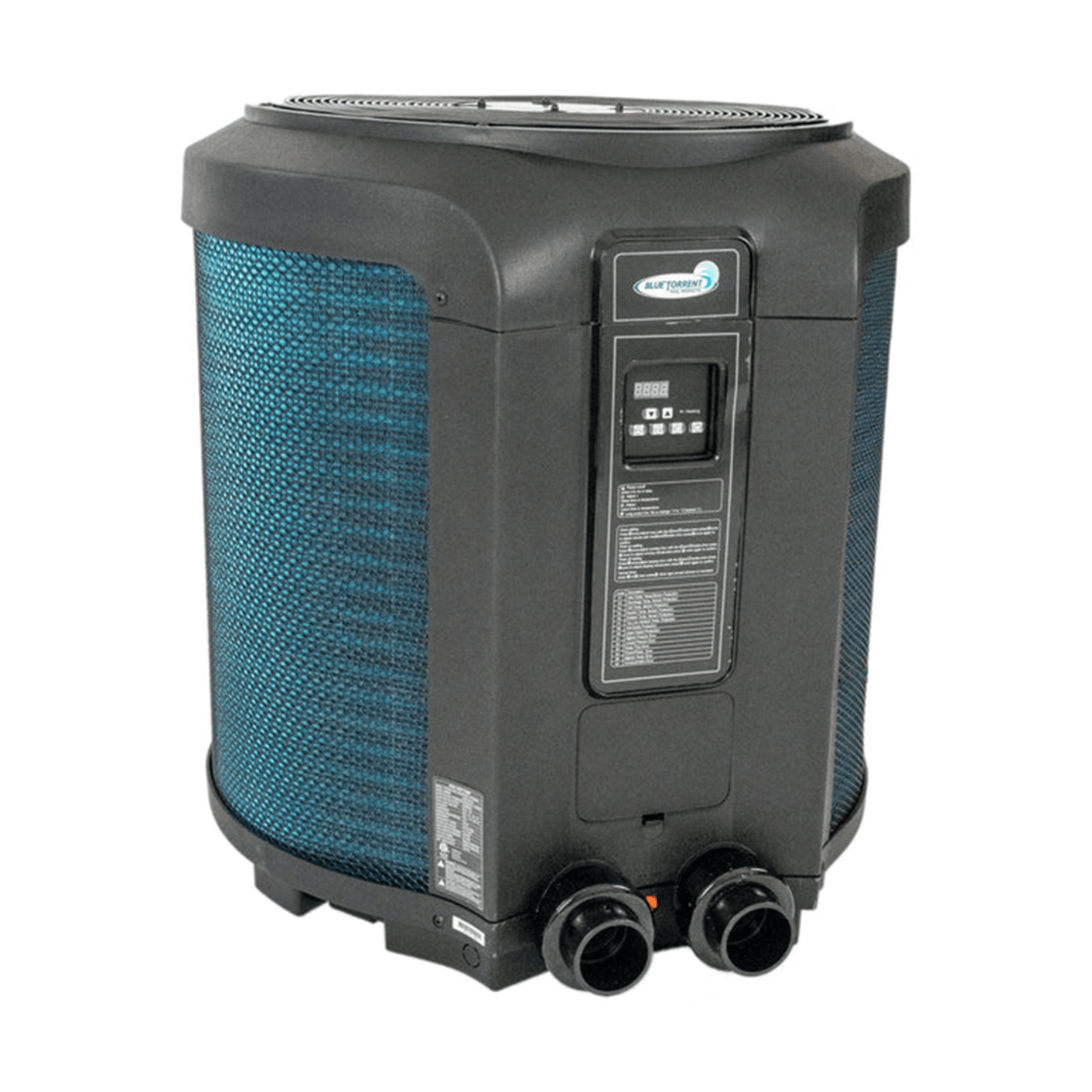
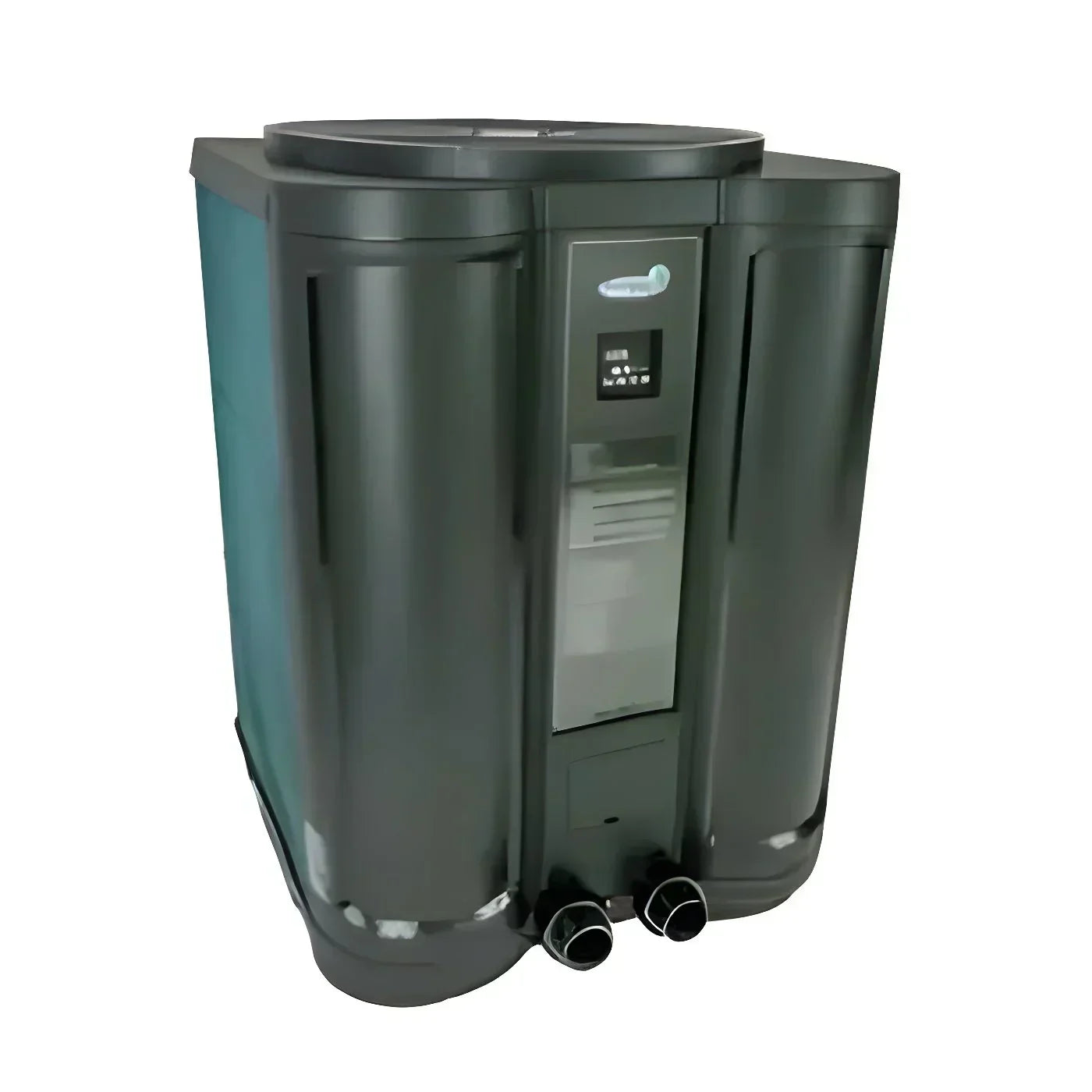
Wine Guardian Ducted Wine Cellar Cooling Unit - 60Hz - 1779461452916_555
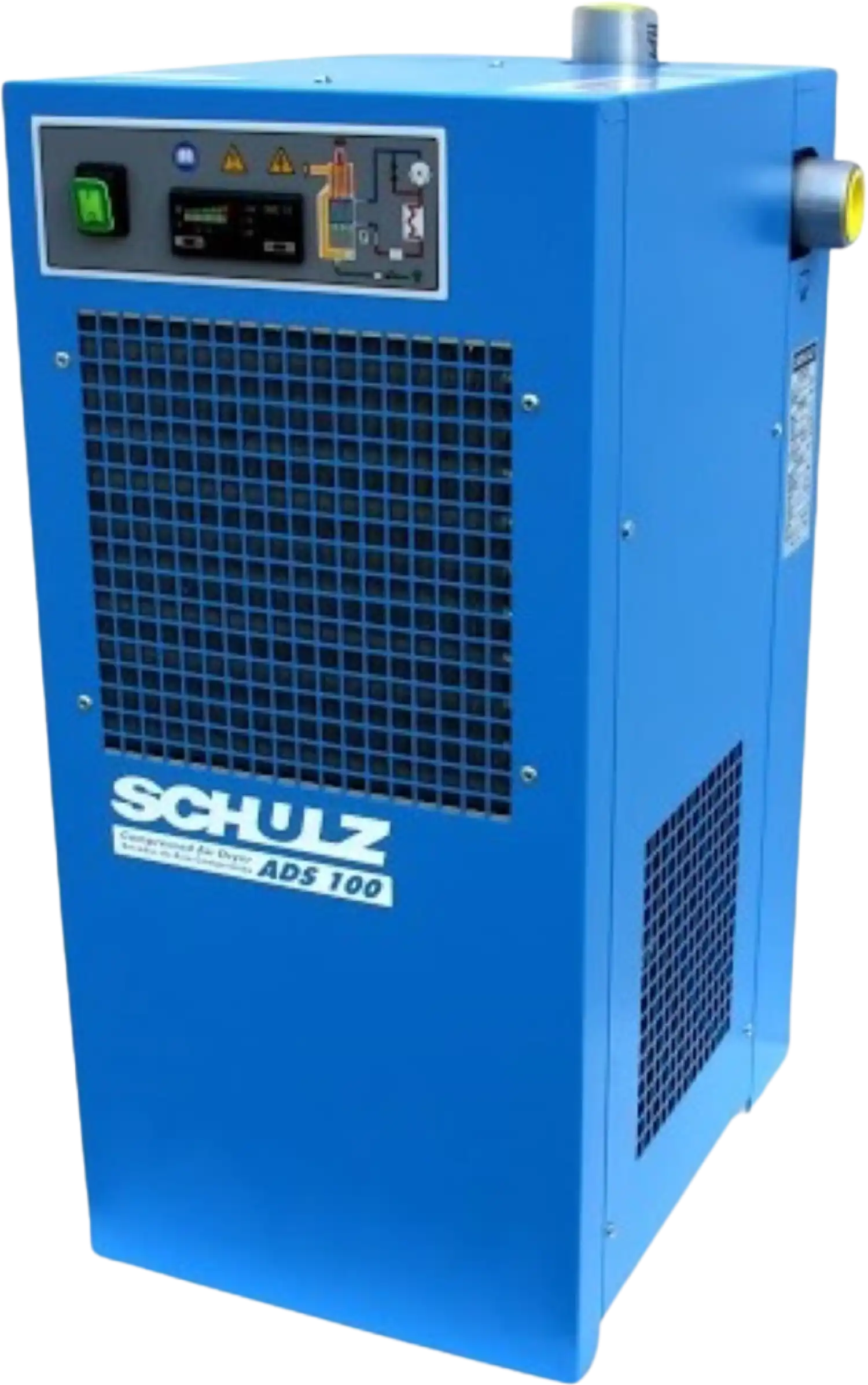
The D200 is a ducted wine room cooling unit for large residential and commercial applications. The D200 is a fully ductable and self-contained wine cooling unit.
The D200 is a 60Hz system, which is standard in most of North America (incl. USA & Canada). Unit capacity is 8000 – 15680 BTUH.
What our Experts Think
-
Architectural “invisible” wine cooling design - The Wine Guardian Wine Wall Cooling System is engineered to mount flush into ceilings or walls, keeping all mechanical components hidden while maintaining a clean, luxury wine display aesthetic.
-
Purpose-built for wine walls and display cellars - Designed specifically for wine walls, small wine rooms, and cabinet installations, where traditional bulky HVAC units would disrupt visual design.
-
Precise temperature control for storage and service - Supports both long-term storage conditions (~13–14°C) and serving temperatures (~7°C), making it flexible for residential and commercial use.
-
Efficient ductless split architecture - Uses a hidden evaporator + remote condenser setup, helping reduce noise and heat inside the wine space while improving thermal stability.
-
Compact, high-performance capacity range - Models range from ~900W to ~4,050 BTU/h depending on size (CS025 to CS050), suitable for small-to-medium wine walls.
-
Installation-focused engineering - Tool-free grille access, hinge-based mounting, and integrated airflow channels simplify installation and maintenance in tight architectural spaces.
-
Expert takeaway - A premium architectural cooling solution for designers and collectors who want maximum visual minimalism, stable cellar conditions, and integrated HVAC performance without exposing equipment in the wine room.
Q&A
Q: What is the Wine Guardian Wine Wall Cooling System?
A: The Wine Guardian Wine Wall Cooling System is a ductless split wine cellar cooling unit designed specifically for wine wall displays and glass wine rooms, delivering precise temperature control while keeping all mechanical equipment hidden from view.
Q: What makes it different from other Wine Guardian systems?
A: Unlike through-the-wall or traditional ducted units, the Wine Wall system is engineered for fully integrated architectural wine displays, where aesthetics are critical. The grille sits flush and blends into the ceiling so no equipment is visible in the cellar.
Q: What temperature range does it support?
A: It can maintain both long-term wine storage temperatures (~55°F / 13°C) and cooler serving temperatures (~45°F / 7°C depending on configuration), making it suitable for both aging and display use.
Q: What size spaces is it designed for?
A: Depending on model, Wine Wall systems are typically used for small to mid-sized wine walls and wine rooms (up to roughly ~1,200 ft³ or more depending on configuration).
Q: What types of installations is it best for?
A: It is ideal for luxury homes, restaurants, wine bars, and custom glass wine walls, especially where ductwork space is limited or aesthetics require a hidden system.
Q: Does it require ductwork?
A: No. It is a ductless split system, meaning airflow is managed through the integrated ceiling grille rather than external ducts.
Maintenance Tips
- Clean air filters regularly to maintain airflow and cooling efficiency
- Keep ceiling grille slots free of dust and obstructions
- Clean evaporator coil periodically to prevent reduced heat transfer
- Ensure condensate drain line is clear to prevent leaks inside ceiling cavities
- Maintain proper clearance above ceiling unit for service access and airflow
- Inspect remote condenser coil for debris and clean for heat rejection efficiency
- Verify thermostat and humidity sensor calibration for stable wine conditions
- Check duct connections (if used) for leaks or insulation damage
- Ensure vibration isolation mounts remain secure for quiet operation
- Schedule annual HVAC servicing for refrigerant check and system optimization


 Damage
  Loss
Loss  Theft
Theft 






![Chery Industrial [BARGAIN] 20ft Farm Metal Driveway Gate with Diagonal Tubes - A_IF000054](http://backyardprovider.com/cdn/shop/files/farmgatewith_31.png?v=1775546952)