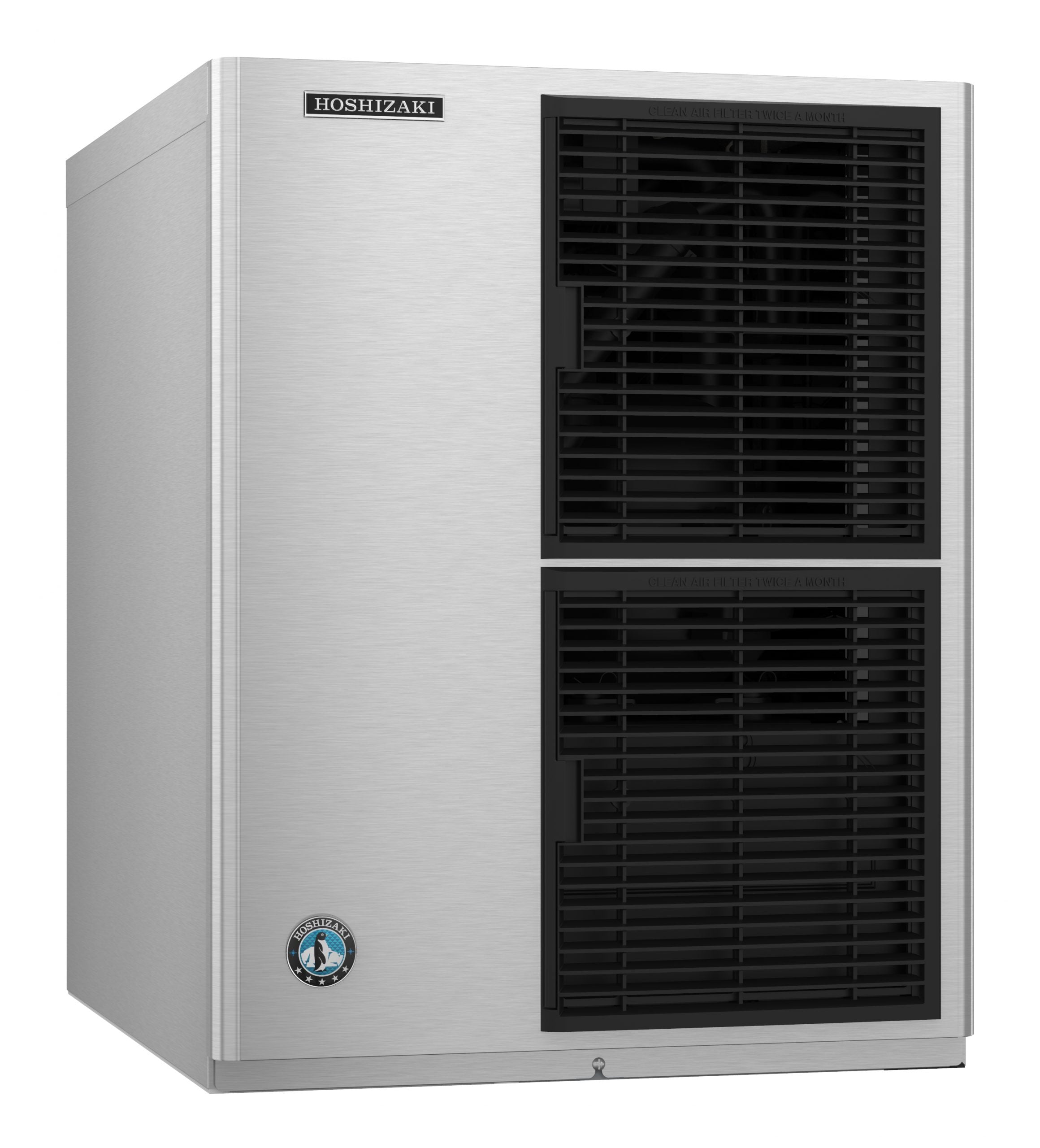
CMA Dishmachines Compartment Sinks - 12620.00
CMA Dishmachines 12620.00 stainless steel slanted rack shelf 42" x 21.5", wall-mounted for efficient drying, space-saving organization and durability.
What our Experts Think
- The CMA 12620.00 is a wall-mounted slanted rack shelf (dishroom accessory) designed for commercial kitchens to support organized dishwashing workflows and improve space efficiency.
- It features a 42" W × 21.5" D stainless steel construction, built to withstand constant exposure to moisture, detergents, and heavy daily kitchen use.
- Experts highlight its slanted design, which allows washed racks or items to drain properly while keeping clean dishes accessible above the dish area.
- The unit is wall-mounted, helping free up valuable counter and sink space while improving workflow in tight dishwashing stations.
- Built entirely from heavy-duty stainless steel with reinforced bracing, it is engineered for durability, stability, and long-term commercial performance.
- Its compact footprint and lightweight design (~24 lbs) make installation straightforward while still supporting professional kitchen demands.
- Overall, professionals view it as a practical dishroom organization accessory that improves efficiency, cleanliness, and workflow rather than a primary washing component.
Q&A
Q: What is the CMA 12620.00 compartment sink used for?
A: It is a commercial stainless steel multi-compartment sink designed for washing, rinsing, and sanitizing dishes in restaurants, hotels, cafeterias, and foodservice kitchens.
Q: What is the purpose of a compartment sink like this?
A: It supports the standard 3-step manual warewashing process—wash, rinse, sanitize, helping kitchens meet health and hygiene regulations.
Q: What material is it made from?
A: It is typically built from heavy-duty stainless steel, which resists corrosion, handles heavy daily use, and is easy to clean in commercial environments.
Q: How many compartments does it have?
A: Models in this category are usually available in 2, 3, or more compartments, allowing efficient separation of washing stages or different cleaning tasks.
Q: Where is it commonly used?
A: It is used in restaurants, bakeries, catering kitchens, hotels, and institutional foodservice areas where manual dishwashing is required.
Q: What are the main benefits?
A: It provides durability, hygiene compliance, and efficient workflow, especially in kitchens that handle high dish volume or lack full dishwashing machines.
Q: Does it help meet health code requirements?
A: Yes. Compartment sinks are a standard requirement in most commercial kitchens for proper dish sanitation and regulatory compliance.
Maintenance Tips
- Clean daily with warm water + mild detergent to remove food debris, grease, and prevent buildup.
- Avoid bleach, chlorine, or abrasive pads to protect stainless steel from corrosion and surface damage.
- Rinse and dry thoroughly after each shift to prevent water spots and rust staining.
- Check and clean the basket drain regularly to prevent clogging and slow drainage.
- Inspect faucet, pre-rinse, and plumbing connections weekly for leaks or loose fittings.
- Keep the sink level and properly supported to ensure correct drainage and prevent standing water.
- Sanitize surfaces daily in food-prep environments to maintain hygiene compliance.
- Remove any grease buildup immediately to avoid hardening and difficult cleaning later.
- Ensure surrounding work area stays clean and dry to prevent slip hazards and contamination.
- Perform periodic deep cleaning (weekly/monthly) including under-sink and splash zones.


 Damage
  Loss
Loss  Theft
Theft 





![Chery Industrial [BARGAIN] 20ft Farm Metal Driveway Gate with Diagonal Tubes - A_IF000054](http://backyardprovider.com/cdn/shop/files/farmgatewith_31.png?v=1775546952)















![Chery Industrial [BARGAIN] 7' Garage Storage Cabinets with 20 Drawers - A_WW000208](http://backyardprovider.com/cdn/shop/files/bargain-7-ft-work-bench-with-20-drawers_30.png?v=1775546940)